
Applebees vs Fast Casual: Which Model Wins in 2025?
Key Features
- Applebee’s offers a traditional, well-established brand with broad appeal, especially for families.
- Fast Casual models focus on healthier menu options, quicker service, and an enhanced customer experience.
- Applebee’s excels in brand recognition and a large loyal customer base, but Fast Casual leads in innovation and food quality.
- Understanding the consumer trends in 2025, including demand for convenience, quality, and health-conscious choices, is key to deciding which model is more suited to today’s market.
The restaurant industry in 2025 is evolving rapidly. While traditional dining models like Applebee’s continue to thrive, newer concepts like fast casual dining have become increasingly popular. The debate of Applebees vs Fast Casual highlights how consumer preferences are shifting, raising the question of which model is truly winning in 2025.
Quick Answer
Applebee’s offers a traditional casual dining experience with a diverse menu and extensive service. On the other hand, fast casual brands offer faster service, higher quality food, and a more modern atmosphere. Both models are highly profitable ventures, but Applebee’s benefits from its brand recognition and established customer base, while fast casual restaurants capitalize on convenience and healthier options. The choice ultimately depends on the investment, location, and customer demographic.
This blog will delve into the differences between Applebee’s and fast casual dining, comparing everything from customer experiences, food quality, service, profitable ventures, and expansion opportunities.
You’ll have a clear understanding of which model might be the best fit for entrepreneurs and investors in today’s market.
Applebee’s Overview: A Traditional Casual Dining Experience
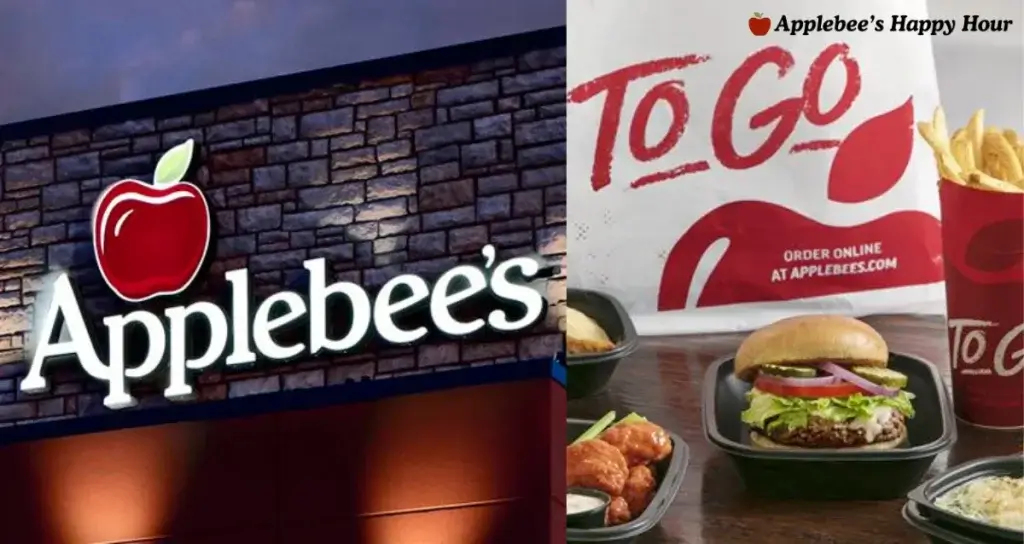
Applebee’s has been a staple in the casual dining sector for over 40 years. Known for its diverse menu of American comfort food, Applebee’s appeals to a broad range of customers, particularly families, thanks to its inviting atmosphere, affordable prices, and signature cocktails.
Strengths of Applebee’s in 2025
Brand Recognition: Applebee’s is one of the most recognized casual dining brands globally, with 1,600+ locations worldwide. This makes it a familiar name that people can trust.
Brand Recognition
Applebee’s is one of the most recognized casual dining brands globally, with 1,600+ locations worldwide. This makes it a familiar name that people can trust.
Menu Variety
The restaurant offers a wide variety of dishes, including burgers, steaks, Oriental salads, and a full cocktail menu, catering to different tastes and dietary preferences.
Affordable Pricing
With an average cost of around $15 to $20 per meal, Applebee’s offers an affordable dining option for families and larger groups, which is a significant selling point in today’s economy.
Extensive Service
Applebee’s is rooted in traditional sit-down service, which attracts diners looking for an experience beyond just the meal itself.
The Fast Casual Model: A Modern Take on Dining
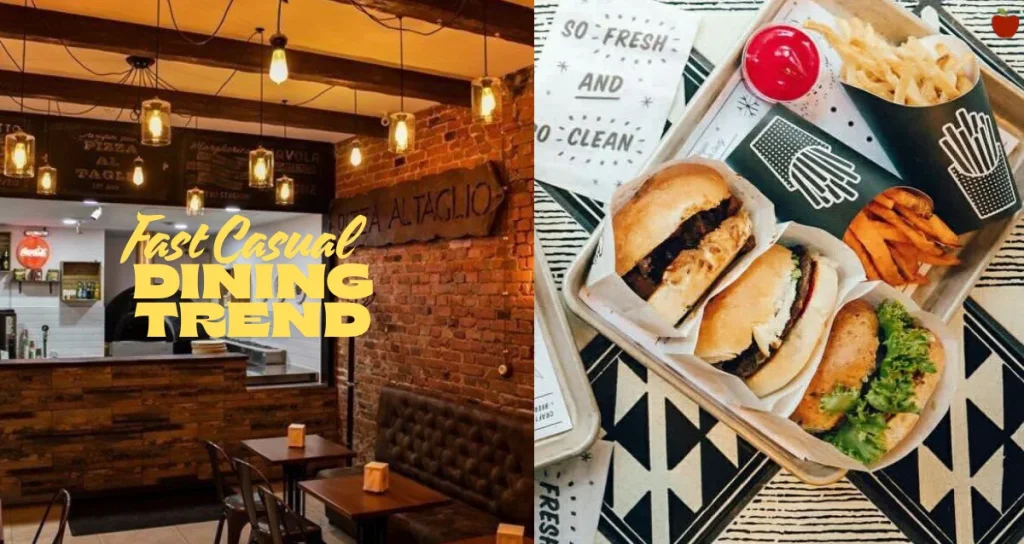
The fast casual dining concept has experienced rapid growth over the last two decades, primarily driven by younger consumers looking for healthier, more convenient, and higher-quality food options. Brands like Chipotle, Panera Bread, and Shake Shack have become household names in this segment. Fast casual restaurants focus on higher food quality, quicker service, and creating a more upscale, but still casual, dining environment.
Strengths of Fast Casual in 2025
Healthier Menu Options
Fast casual dining emphasizes fresh, healthier food options with an emphasis on organic, gluten-free, and plant-based menu items. This is a strong selling point as consumers become more health-conscious.
Faster Service
Customers today seek convenience, and fast casual restaurants cater to this demand by offering fast service without sacrificing food quality. Many fast casual brands also integrate online ordering and delivery options, further increasing convenience.
Modern Ambiance
Fast casual restaurants typically offer a more modern, minimalist atmosphere with open kitchens, customizable orders, and a focus on providing a personalized experience.
Customization
Fast casual dining places a large emphasis on allowing customers to create customized meals, from build-your-own bowls to personalized sandwiches and salads.
Applebees vs Fast Casual: Comparing Customer Experience
One of the most significant differences between Applebee’s and fast casual dining lies in the customer experience. The overall dining experience can have a considerable impact on consumer satisfaction and return rates.
Applebee’s Customer Experience
Applebee’s offers a more traditional dining experience with waitstaff, table service, and a relaxed atmosphere designed for socializing and extended meals. This appeals to families, large groups, and those looking for a leisurely meal.
Applebee’s locations typically have a relaxed, family-friendly ambiance with sports on TV and booths that encourage socializing. This has been a major draw for families and casual diners over the years.
Fast Casual Customer Experience
Customers typically order at the counter or via digital kiosks and receive their food relatively quickly, usually within 5 to 10 minutes. The atmosphere tends to be more modern and minimalistic, with open kitchens, contemporary décor, and a focus on a fast, yet enjoyable dining experience.
A hallmark of the fast casual experience is menu customization. Customers can personalize their meals by choosing ingredients, sizes, or flavors, appealing to those who value control over their meal and dietary preferences.
Comparing Food Quality and Menu Options
Food quality is one of the key differences between Applebee’s and fast casual dining.
Applebee’s Menu Quality
Applebee’s menu is focused on classic American comfort food such as burgers, steaks, ribs, salads, and pasta. The quality is generally good for the price, but it doesn’t cater as well to health-conscious consumers or those looking for more diverse food options.
Applebee’s is also known for its selection of cocktails, beers, and other alcoholic beverages, contributing to the overall dining experience.
Fast Casual Menu Quality
Fast casual brands focus heavily on fresh ingredients, and many use organic or non-GMO foods to appeal to health-conscious diners. Fast casual restaurants are also more likely to have gluten-free, vegetarian, or vegan menu items.
Fast casual restaurants tend to use higher-end ingredients compared to traditional fast food or casual dining restaurants. This includes fresh produce, antibiotic-free meats, and healthier cooking methods like grilling or baking instead of frying.
Comparing Costs and Profit Margins
Both Applebee’s and fast casual dining can be lucrative, but they have different financial dynamics that influence profitability.
Applebee’s Costs and Profitability
- Initial Investment: The initial investment for an Applebee’s franchise typically ranges from $2.5 million to $4.5 million.
- Ongoing Costs: Franchisees are required to pay a 4% royalty fee and 4% advertising fee, which adds up to 8% of total sales.
Profit Margins: Profit margins for Applebee’s franchisees generally range between 5% and 15%, depending on factors like location, operational efficiency, and local market conditions.
Fast Casual Costs and Profitability
- Initial Investment: Opening a fast casual restaurant usually requires an initial investment of $500,000 to $1.5 million, significantly less than Applebee’s.
- Lower Overhead Costs: Fast casual restaurants tend to have lower overhead costs because they don’t require full-service waitstaff and the menu options are simpler.
Profit Margins: Fast casual restaurants typically have higher profit margins than traditional casual dining restaurants, with margins often ranging between 10% and 20%, driven by lower operating costs and quicker table turnover.
Which Model Wins in 2025?
The decision between Applebee’s and fast casual dining ultimately comes down to personal preferences, market demands, and business goals.
Applebee’s is still a strong contender for investors who want to tap into a family-friendly market with a proven business model and brand recognition. It’s a great choice if you want to focus on sit-down dining experiences and are targeting a diverse audience that includes families and large groups.
Fast Casual dining is winning in terms of health-conscious choices, quick service, and modern dining experiences. If your goal is to cater to a younger, health-focused demographic, fast casual is the clear winner, especially given the growing demand for quick, quality meals with healthier options.
Conclusion
Both Applebee’s and fast casual dining are thriving in their own right. Applebee’s offers a time-tested, brand-centric approach to casual dining, while fast casual leads the way in innovation, food quality, and convenience.
For those willing to invest in a well-established, widely recognized brand, Applebee’s might be the best option. However, if your goal is to capitalize on health-conscious, quick-service dining trends, the fast casual sector offers significant growth potential.