
Investment Opportunities in Food and Beverage Sector: The Future of Profitable Ventures in 2025
Key Features
- The food and beverage sector is expected to grow at a compound annual growth rate (CAGR) of 5.3% from 2025 to 2030.
- From plant-based foods to premium beverages, there are several investment investment opportunities in the food and beverage sector catering to specific consumer needs.
- Investing in eco-friendly and sustainable food production is gaining traction as consumers seek brands that align with environmental values.
- The rise of food tech innovations, including AI-driven personalization and automation in food production, offers new growth prospects.
The food and beverage sector is one of the most dynamic and rapidly evolving industries in the world. With shifting consumer preferences, emerging technologies, and an ever-growing demand for unique dining experiences, Investment Opportunities in Food and Beverage Sector are expanding rapidly, offering numerous possibilities for entrepreneurs and investors alike.
From innovative startups to established brands, the potential for returns is substantial, especially for those who recognize evolving consumer trends early on. Whether you’re looking to invest in plant-based foods, premium beverages, or the rapidly expanding food delivery services market, the right investment strategy can yield impressive rewards.
Quick Answer
The food and beverage sector in 2025 presents high investment potential, especially in emerging areas like plant-based foods, food delivery services, and premium beverages. These segments are fueled by consumer demand for convenience, healthier options, and unique dining experiences. Investors, including beverage investors and those seeking startup investment opportunities, can expect significant growth potential in these evolving markets.
Let’s explore the best investment opportunities in the food and beverage sector, identify emerging trends, and provide insight into where the industry is headed in 2025. We will also highlight startup investment opportunities that cater to the evolving market demands.
The State of Investment Opportunities in Food and Beverage Sector in 2025
The global food & beverage market is projected to reach $10 trillion in 2025. This growth is fueled by several factors, including technological advancements, shifting dietary preferences, and consumer demands for convenience, quality, and sustainability.
Global Market Dynamics
- Plant-Based Foods: The plant-based food market is experiencing rapid growth, driven by increasing demand for vegan, vegetarian, and flexitarian options. Investment in food industry segments that focus on plant-based alternatives is set to be a high-growth area.
- Food Delivery Services: The demand for online food delivery continues to rise, particularly post-pandemic. As more people embrace delivery and takeout options, investing in food tech companies or cloud kitchens offers substantial growth potential.
- Functional Beverages: The functional beverage industry, including health drinks like kombucha, energy drinks, and plant-based beverages, has gained massive popularity. Beverage investors are capitalizing on this growing trend.
Best Investment Opportunities in the Food and Beverage Sector 2025
1. Plant-Based Foods
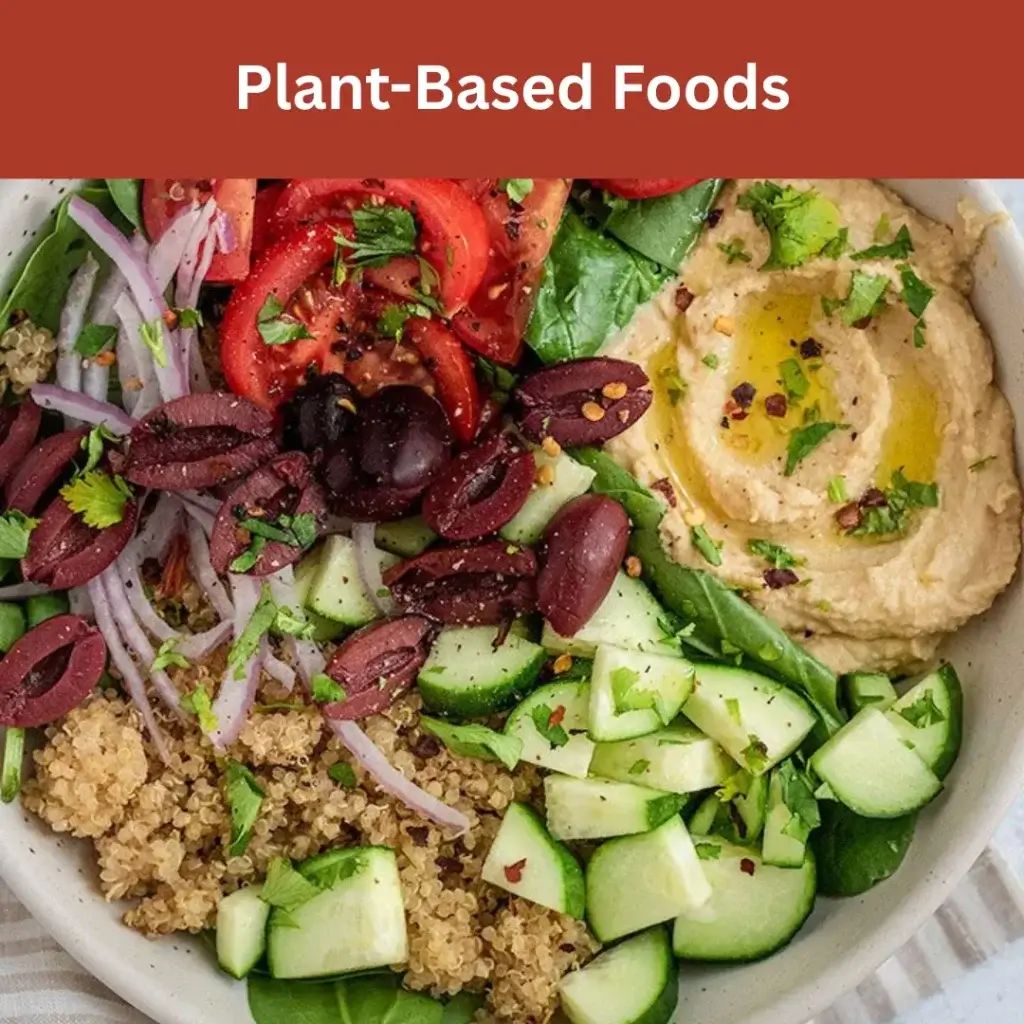
The plant-based food market is projected to grow significantly, with a forecast CAGR of 12.0% from 2025 to 2030. This surge is largely driven by rising consumer awareness around health and environmental sustainability. Whether it’s plant-based meats or dairy-free alternatives, consumers are demanding more vegan options than ever before.
Key Opportunities:
- Plant-based meat substitutes (e.g., Beyond Meat, Impossible Foods)
- Dairy-free products (e.g., oat milk, coconut yogurt)
- Plant-based snacks and protein bars
2. Online Food Delivery Services and Ghost Kitchens
The convenience of online food delivery services continues to be a major trend, with platforms like UberEats, DoorDash, and Grubhub dominating the market. Additionally, the rise of ghost kitchens (delivery-only kitchens that don’t serve dine-in customers) presents a low-cost, high-profit model for new restaurant concepts.
Key Opportunities:
- Investing in food tech startups focused on delivery platforms.
- Ghost kitchen ventures offering delivery-only food services in urban areas.
3. Premium Beverages and Functional Drinks
Consumers are seeking healthier alternatives to sugary sodas and sugary beverages. Premium beverages, such as kombucha, energy drinks, functional waters, and cold-pressed juices, have become top contenders in the beverage investment landscape. The functional beverage industry, valued at over $150 billion, is growing rapidly as health-conscious consumers seek drinks that offer more than just refreshment.
Key Opportunities:
- Functional beverages such as immunity-boosting drinks, energy drinks, and probiotic drinks.
- Premium coffees and organic teas.
- Craft beers and artisanal beverages.
4. Food Tech Innovations
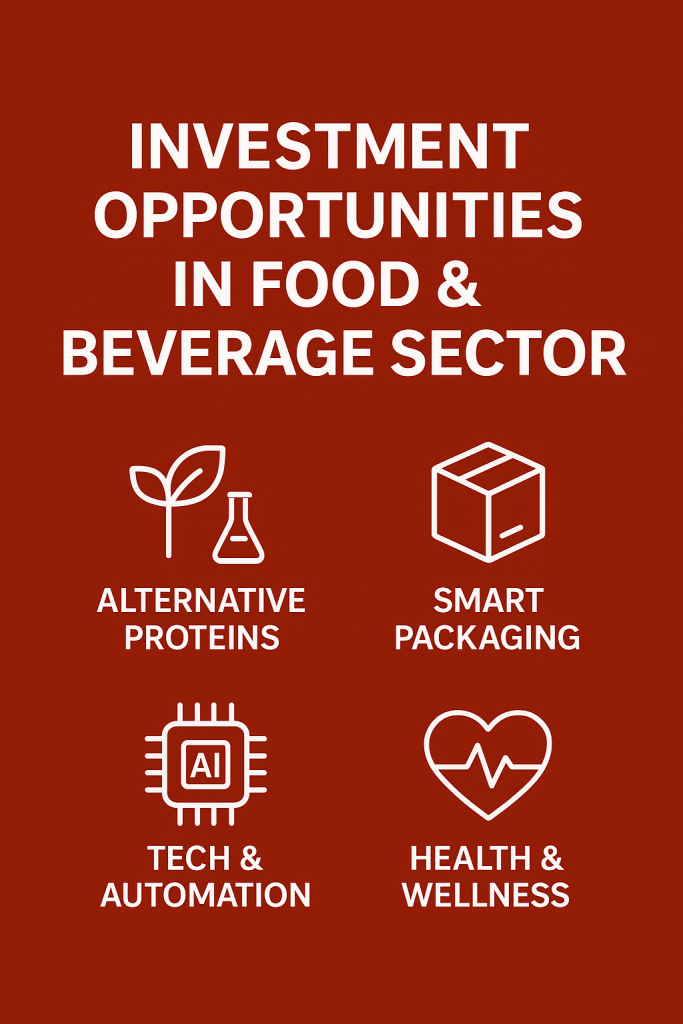
The convergence of food technology and artificial intelligence (AI) is revolutionizing the industry. From automation in food production to AI-driven menu personalization, there are exciting opportunities in investing in food tech companies.

Key Opportunities:
- AI-driven personalized food delivery services.
- Automation technology for food preparation and production.
- 3D printed food technologies and innovations in sustainable packaging.
5. Sustainable and Eco-Friendly Practices
As consumers become more environmentally conscious, the demand for sustainable and eco-friendly products is rising. Brands that promote ethical sourcing, eco-friendly packaging, and sustainable practices are increasingly attracting attention from investors. Sustainable food businesses that minimize waste and carbon footprints are poised for success.
Key Opportunities:
- Sustainable packaging solutions in food and beverage.
- Eco-friendly farming and production methods.
- Zero-waste restaurant models.
Financial Analysis and Profitability in the Food and Beverage Sector
When considering investment in the food and beverage industry, understanding the financial dynamics is key.
Let’s break down the costs, profit margins, and expected return on investment (ROI) in some of these growing sectors.
Plant-Based Foods
- Initial Investment: $500,000 – $5 million, depending on the size and scale of the operation.
- Profit Margins: 15-30% for established brands.
- Expected ROI: 10-15% CAGR in the next 5 years.
Food Delivery Services
- Initial Investment: $100,000 – $500,000 (for tech-based startups or cloud kitchens).
- Profit Margins: 5-20% (cloud kitchens tend to have higher margins due to lower overhead costs).
- Expected ROI: 20-30% over 5 years due to rapid growth.
Premium Beverages
- Initial Investment: $250,000 – $2 million, depending on the type of product and market.
- Profit Margins: 25-40%, depending on the product type (e.g., juices have higher margins than traditional sodas).
- Expected ROI: 10-20% CAGR as demand for functional beverages rises.
Food Tech
- Initial Investment: $200,000 – $5 million, depending on the scale of technological implementation.
- Profit Margins: 20-40% for AI-driven solutions and automated production.
- Expected ROI: 25-35% due to ongoing demand for efficiency and automation in food production.
Make Your Right Investment Decision ASAP
The food and beverage industry in 2025 presents an exciting landscape for investors. Whether you’re looking for startup investment opportunities in food and beverage or considering larger, more established brands, there are a variety of profitable segments to choose from.
Whether you choose to invest in food business investment opportunities or dive into the beverage sector investment, the key to success will be aligning your investment strategy with the market trends, understanding consumer behavior, and choosing the right niches that promise strong growth potential. As the food industry continues to innovate and adapt to consumer needs, those who invest wisely in the right opportunities are sure to reap the rewards in the years to come.