
Staying Safe While Enjoying Happy Hour and Late-Night Dining
Happy hour and late-night dining are often the moments people look forward to most during the week. Meeting friends after work, celebrating small wins, or simply unwinding over food and drinks can feel like a reset after long days. As enjoyable as these outings are, they often happen after dark, when routines change and attention naturally drops.
Most people head out expecting a good time, not a problem. Still, being a little prepared can help the night end just as smoothly as it began.
Safety does not have to feel restrictive or stressful. In many cases, it is simply about awareness, planning, and using helpful tools when needed.

Why Safety Matters More During Evening and Late-Night Outings
Evenings and late nights come with conditions that are very different from daytime plans. Visibility is lower, crowds move in waves, and parking areas can feel unfamiliar once venues start to empty.
Common situations people experience during late outings include:
- Parking farther away than expected
- Walking back to a car after most people have left
- Leaving at different times than friends
- Navigating areas that look different at night
- Feeling rushed or distracted while heading home
None of these automatically mean danger, but they do increase the importance of staying aware. Small details that feel insignificant during the day can matter more once it is dark.
Planning Ahead Before the First Round Is Ordered
The safest nights out usually start with a little planning. This does not mean strict rules or limiting fun. It simply means thinking ahead while everything is still calm.
Helpful planning habits include:
- Deciding in advance how you will get home
- Parking in well-lit, visible areas when possible
- Sharing your plans with someone you trust
- Making sure your phone is charged before heading out
- Having a rough idea of when you plan to leave
These steps are easy to overlook, but they reduce last-minute stress and help you focus on enjoying the evening.
Keeping Track of Your Vehicle During a Night Out
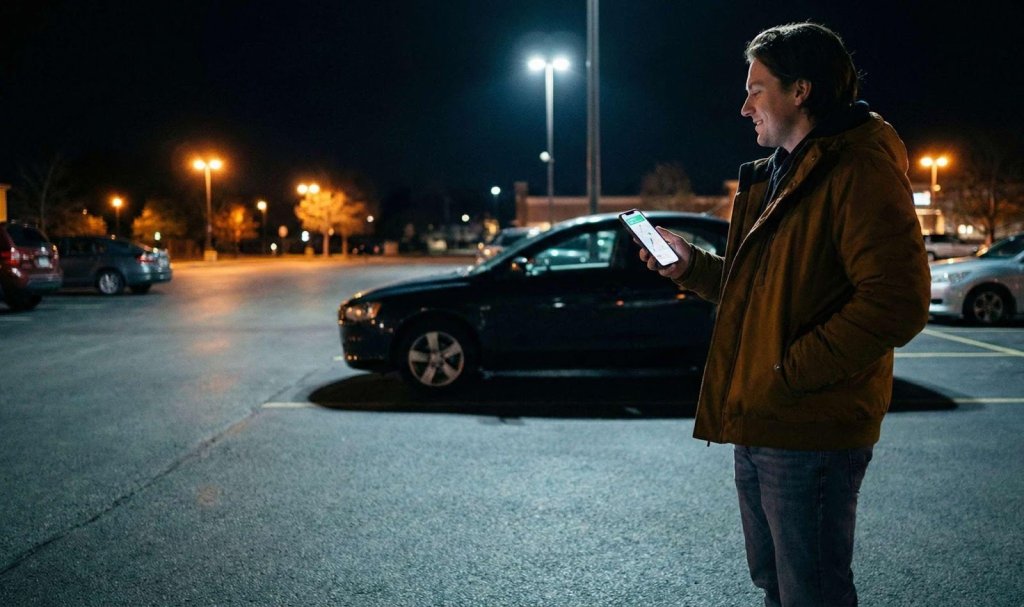
Late-night parking can be surprisingly confusing. Parking lots that felt familiar when you arrived may look completely different hours later. Add low lighting and tiredness, and it becomes easy to forget exactly where you parked.
Some people choose to use a car tracker as a simple backup for these situations. A GPS tracker placed in a vehicle can help provide clarity at the end of the night by showing where the car is parked or confirming that it has not moved unexpectedly.
People often use this type of tool to:
- Quickly locate their car after leaving a venue
- Feel more confident when parking in unfamiliar areas
- Reduce stress when heading home late
It is not about constant monitoring. It is about having access to information when it is useful.
Using Location Tools for Personal Awareness
Late nights often mean plans change. Friends may leave at different times or split up to head home separately. In those moments, personal awareness becomes just as important as vehicle awareness.
Some individuals use a gps tracker designed for personal safety during:
- Walking to and from parking areas
- Traveling alone after social events
- Meeting friends at multiple locations
- Visiting unfamiliar neighborhoods
When used thoughtfully, location tools act as a quiet safety measure rather than something that interferes with independence or privacy.
Technology Should Support Good Decisions, Not Replace Them
It is important to be clear about the role of technology. No tool replaces awareness, good judgment, or common sense. Location tracking works best when it supports decisions people are already making to stay safe.
Companies such as BrickHouse Security focus on safety-oriented tracking solutions that are intended to be used responsibly. The purpose is not to watch every movement, but to provide reliable information if plans change or something unexpected happens.
In that sense, location tools are similar to locking your car or sharing your arrival time. They are backups that help people feel more prepared.
Simple Safety Habits That Still Matter Most
Technology is helpful, but many of the most effective safety habits are simple and free.
- Stay with friends when leaving venues when possible
- Trust your instincts if something feels off
- Avoid distractions when walking to your car
- Choose well-lit routes and entrances
- Take a moment to assess your surroundings before driving
These habits do not interrupt the fun of the night. They help protect it.
Ending the Night on a Calm and Confident Note
The end of the evening is often when people feel most rushed. Venues close, rides arrive, and everyone is ready to get home. This is when slowing down can matter most.
Before leaving, it helps to:
- Confirm your ride or vehicle location
- Make sure you feel alert enough to travel
- Take a quick look around before entering your car
Arriving home safely is the final part of a successful night out.
Conclusion
Happy hour and late-night dining should be about enjoyment, connection, and relaxation. With a little preparation, situational awareness, and thoughtful use of safety tools, it is possible to enjoy nights out without added stress.
Safety does not have to be complicated. Often, it comes down to knowing where you parked, planning your ride home, and staying aware of your surroundings. These small choices help ensure the night ends just as positively as it began.
FAQs: Stay Safe By Using GPS Tracking
Q1. Is using a GPS tracker necessary for nights out?
No, it is not necessary for everyone. Some people choose to use a GPS tracker as a backup during late nights or in unfamiliar areas. Others rely on basic planning and awareness. It is a personal choice based on comfort and routine.
Q2. Can a car tracker help prevent vehicle theft during late hours?
A car tracker can help provide awareness if a vehicle moves unexpectedly. While it does not prevent theft on its own, it can help owners locate their vehicle faster and respond more quickly if something goes wrong.
Q3. How can people use location tools without feeling monitored?
The key is transparency and purpose. Location tools should be used for safety and convenience, not constant checking. Many people use them only during specific situations such as late nights, travel, or unfamiliar areas.