
The Journey of Dinosaur Fossils: How Institutions and Collectors Acquire Them
Dinosaur specimens have always captured the curiosity of people around the world. From towering skeletons in museum atriums to carefully curated displays in private collections, these ancient relics offer a glimpse into life on Earth millions of years ago. Yet many people are unaware of the complex journey that takes place before a fossil ever reaches a display room. The process involves scientific excavation, legal considerations, expert preparation and intricate acquisition methods that ensure authenticity and preservation.
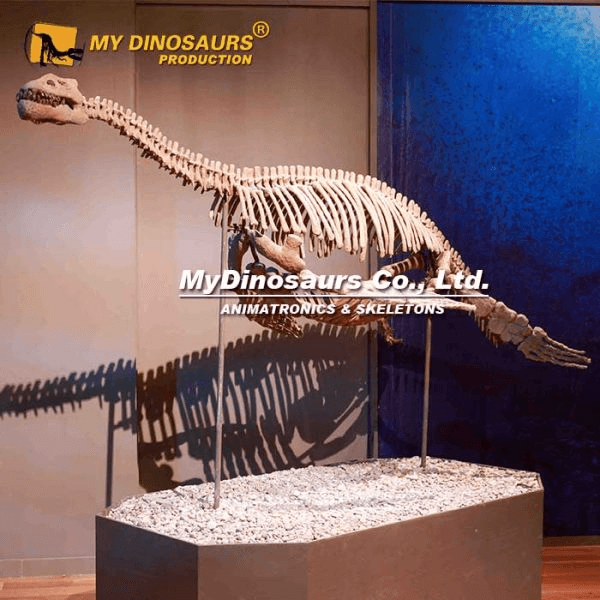
In addition to original fossils, institutions increasingly rely on a dinosaur skeleton replica to expand exhibitions, preserve fragile originals and make scientific knowledge more accessible. Understanding how both genuine fossils and replicas are obtained helps demystify a process that is often hidden behind the scenes.
Where Dinosaur Specimens Begin: Excavation and Discovery
Identifying Promising Dig Sites
The acquisition journey starts long before a fossil is unearthed. Paleontologists survey rock formations, geological maps and sediment layers to determine which regions are likely to contain dinosaur remains. Many famous sites are located in the western United States, China, Mongolia and parts of Europe. These areas contain sedimentary rock of the right age to preserve bones from the Mesozoic Era.
Fieldwork and Fossil Removal
Once a site is chosen, excavation teams carefully remove soil using brushes, chisels and small tools. Fossils must be handled with extreme caution because many are soft or brittle. Technicians apply protective plaster jackets to secure each piece before transport. The process can take weeks or several seasons depending on the size of the specimen and the complexity of the site.
Ownership and Permissions
Fossil ownership is governed by local laws. Specimens found on public land typically belong to the state or country. Private landowners may retain ownership of fossils discovered on their property and may choose to donate, sell or loan them. Museums often collaborate with universities or government agencies to ensure ethical collection practices.
How Museums Acquire Dinosaur Specimens
1. Scientific Field Expeditions
Many museums participate in their own field expeditions. These expeditions allow researchers to excavate specimens and bring them directly into museum collections. This ensures scientific oversight and proper preservation. Large institutions often store far more fossils than they display, and these collections support ongoing scientific research.
2. Donations and Bequests
Some important specimens come from private landowners or collectors who wish to contribute to scientific knowledge. Donations can be tax beneficial and allow fossils to be preserved in professional facilities. Families sometimes bequeath fossils to museums in their wills so they can be enjoyed by future generations.
3. Inter-museum Loans
Museums frequently share specimens for temporary exhibitions. A museum that owns an impressive theropod skeleton may loan it to another institution for a traveling exhibit. These loans allow audiences around the world to view rare fossils without permanently transferring ownership.
4. Ethical Purchases
Occasionally, museums purchase fossils that have been legally excavated and documented. Purchasing is often carefully scrutinized to avoid encouraging illegal fossil trade. Provenance records are essential. Museums typically avoid the commercial marketplace unless the specimen’s origin is thoroughly verified.
5. Use of Replicas for Exhibit Expansion
Original fossils are often too fragile or incomplete for display. In these cases, museums rely on a high quality dinosaur skeleton replica. Replicas can be cast from original bones or digitally reconstructed using 3D scanning technology. They allow museums to tell a complete story even when the original specimen cannot be mounted safely. They also enable schools, science centers and smaller museums to showcase full dinosaur structures without risking damage to authentic fossils.
How Private Collectors Acquire Dinosaur Specimens
1. Purchasing Legally Documented Fossils
Private collectors usually acquire fossils through established dealers or auctions. These dealers specialize in fossils with clear provenance, legal documentation and scientific verification. Collectors must be cautious because the fossil trade varies by country and strict rules regulate exports and ownership.
2. Commissioning Accurate Replicas
Collectors who want the visual impact of a large skeleton often select a dinosaur skeleton replica rather than purchasing an original fossil. Replicas offer several advantages:
- Lower cost compared to authentic fossils
- Safer to transport and display
- No ethical concerns over fossil removal
- Ability to recreate missing bones or entire skeletons
In many cases, replicas are so detailed that they serve both educational and decorative purposes.
3. Loaning Specimens to Museums
Some private collectors choose to loan their fossils to museums for public display. This can provide recognition and ensure professional conservation. It also supports scientific research by granting paleontologists access to rare specimens.
4. Following International Regulations
The sale and transport of fossils across borders is strictly regulated. Collectors must adhere to export permits, national heritage laws and international agreements such as UNESCO conventions. Responsible collectors work with experts who understand legal requirements and best practices.
The Role of Preparation Laboratories
After a fossil is discovered, it often spends months or years in preparation labs where technicians carefully remove rock matrix, stabilize fragile bone and reconstruct missing sections. Advanced tools like air scribes, microscopes and CT scanning help technicians reveal fine details. Both museums and private buyers depend on preparation labs to create specimens that are stable, visually impressive and suitable for study.
Replicas are also produced in these labs. Technicians mold original bones, cast replicas in lightweight materials and assemble them into full skeletons. This process makes it possible to share a single fossil with multiple institutions and collectors in a responsible and accessible way.
Why Replicas Play an Increasingly Important Role
Conservation
Original fossils degrade with exposure to light, humidity and vibration. Replicas allow the public to experience the full scale of dinosaurs without risking damage to irreplaceable specimens.
Accessibility
Not all institutions have access to complete fossils. A museum or school can display a scientifically accurate dinosaur skeleton replica at a fraction of the cost and weight of a genuine fossil.
Educational Value
Replicas help students visualize anatomy and movement. They can also be used for traveling exhibits where original fossils would be too heavy or fragile.
Ethical Concerns
With increased scrutiny on fossil ownership and the commercial market, replicas offer a way to reduce pressure on natural fossil sites while still supporting paleontological outreach.
Common Challenges in Acquiring Dinosaur Specimens
Cost
Large or rare fossils can cost hundreds of thousands or even millions of dollars. Preparation, transportation and mounting also increase expenses.
Legal Restrictions
Each country regulates fossil ownership differently. Navigating these regulations requires expertise and transparency.
Provenance Verification
Ensuring that a fossil was ethically excavated and legally sold is essential. Museums in particular must avoid any association with illegal fossil trade.
Conservation Requirements
Proper climate control, structural support and security measures are needed to preserve valuable fossils. Even replicas require careful handling.
Conclusion
The journey of a dinosaur specimen from excavation to display is far more complex than many realize. Museums rely on scientific expeditions, ethical acquisitions and collaborative loans to build their collections. Private collectors navigate legal markets, expert documentation and conservation considerations. Throughout this process, replicas provide a practical and responsible solution that expands access to prehistoric life while protecting fragile originals.
Whether displayed in a prominent museum hall or a private study, dinosaur specimens continue to inspire curiosity and connect people to deep Earth history. Understanding how they are acquired adds a deeper appreciation for the science and stewardship behind every fossil on display.