
Protecting Your Online Footprint — Steps to Make Profiles Harder to Locate
The internet remembers everything — from your first social media post to old blog comments. While digital visibility helps in networking and communication, it also makes your personal data easier to trace. Many people don’t realize how much of their online footprint can be publicly found with a simple name lookup.
In this article, we will know how to find details of a person by name, what information others can access, and the practical steps to protect your digital identity. We’ll also look at how tools like find a person by name with GEOfinder work — not for invasion of privacy, but to understand how data is exposed and how to minimize unnecessary visibility.
What Is an Online Footprint?
Your online footprint is the collection of all the data you’ve ever shared — posts, photos, comments, accounts, and even metadata left behind by cookies or website visits.
It can include:
- Social media accounts (active or old)
- Forum and blog interactions
- Public directory or business listings
- Mentions in articles or reviews
- Publicly available registration records
How People Can Find You Online
Searching for someone’s name on the internet has become remarkably simple. Even without specialized tools, search engines and social media filters make it easy to find personal data.
Many users search how to find someone online — often out of curiosity, for reconnecting with old contacts, or for legitimate verification. The same process, however, can reveal just how visible your own data is.
Common methods to locate a person:
- Search engines: Entering a full name in Google or Bing often reveals social profiles, articles, or tagged images.
- Social platforms: Facebook, LinkedIn, Instagram, and X (Twitter) allow searching by name or username.
- Public databases: Court records, professional listings, or academic archives may contain your name.
- People-finder tools: Systems like GEOfinder consolidate publicly available data to show what information connects to a name, helping users understand their own digital exposure.
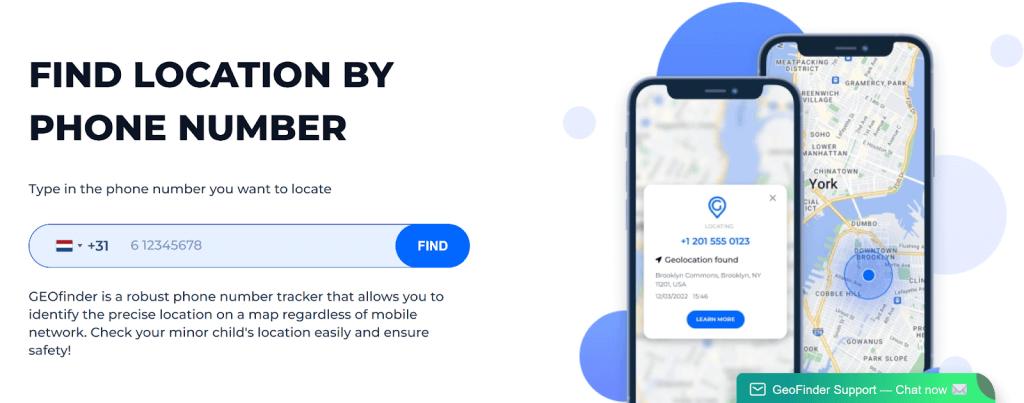
Even a simple search like “how to find someone” can reveal tools or techniques that locate names, phone numbers, and even regions of activity. That’s why controlling what’s public — and knowing how these searches work — is crucial for online privacy.
How Tools Work — Understanding the Process
Before securing your footprint, it helps to understand how lookup systems work. Tools that allow users to find a person by name with free or similar databases use open-source data (OSINT). They gather public information that anyone can access legally.
This may include:
- Social media usernames linked to your name
- Email handles visible on public sites
- Mentions in directories or online reviews
- Geotagged posts and shared metadata
Steps to Make Your Profiles Harder to Locate
Limiting what’s visible online doesn’t require deleting everything — just adjusting visibility and managing where your data appears.
1. Audit Your Digital Presence
Search your full name on Google, Bing, and DuckDuckGo. Check social media, blogs, and directories.
- Note which platforms reveal personal information.
- Remove outdated or unnecessary accounts.
- Update privacy settings on all social media profiles.
2. Use Strong Privacy Settings
Every major platform allows you to restrict visibility.
- Limit who can find you by phone number or email.
- Disable “search engine indexing” in profile settings.
- Hide your friend lists, tags, and activity logs.
3. Clean Up Old Accounts
Forgotten profiles are often the easiest way for someone to find a person by name free online.
- Use old emails to locate hidden accounts.
- Delete inactive profiles or change usernames.
- Remove personal posts that reveal location or contact info.
4. Control What You Share Publicly
Even one public comment or photo tag can appear in search results.
- Avoid using your real name in public forums unless necessary.
- Remove location tags from photos before posting.
- Keep professional and personal accounts separate.
5. Monitor and Update Regularly
Privacy maintenance isn’t a one-time task.
- Set alerts for your name on Google.
- Review search results monthly.
- Use people-finder tools like GEOfinder to see what data is currently visible.
By checking your own name through these systems, you can identify exposed information before others do.
How to Limit Future Exposure
Reducing visibility isn’t just about deleting content; it’s about practicing safer digital habits.
Best long-term strategies:
- Avoid reusing usernames across multiple sites.
- Create unique email addresses for public and private use.
- Regularly review app permissions and privacy settings.
- Be cautious about sharing personal information in bios or captions.
- Use pseudonyms for non-professional platforms.
If you want to know how to find someone or test your own visibility, try searching with variations of your name and nickname. Tools like GEOfinder help demonstrate just how easily someone can trace online connections — allowing you to take proactive measures.
Verdict
Protecting your online footprint starts with awareness. Anyone can learn how to find details of a person by name, but only you can control how much of your own data is visible. Whether you’re testing how others might find a person by name free, searching responsibly, or tightening your own privacy settings, knowledge is your best defense.
By auditing accounts, using stricter privacy options, and checking your digital exposure through systems like find a person by name with GEOfinder, you can keep your profiles safe, reduce unwanted visibility, and maintain stronger control over your online identity.